
In 2025, Technology is more integrated in our daily life than ever, and for those who manage attention deficit disorder (ADHD), wearable technology is approaching the brink. The days when the management of ADHD was limited to traditional therapy and drugs have finished.
Today, a plethora of gadgets and devices are designed to help people improve their attention, organize their tasks, and lead a more productive life.
We go so much so that wearable technology for the management of ADHD can be a turning point for those who try to increase their concentration and general well-being.
Understanding ADHD: A Brief Overview
Before exploring the fantastic world of wearable technologies, it is essential to understand ADHD and its symptoms. ADHD is a neurological developmental disorder that affects both children and adults, characterized by persistent inattention, hyperactivity, and impulsiveness. Many people with ADHD face challenges in concentrating, organizing tasks, and managing time effectively.
With the increase in awareness and understanding of ADHD, the demand for innovative solutions also increases to help manage its symptoms. Insert the wearable technology: an exciting frontier in the management of ADHD that uses the power of technology for better focus and productivity.
The role of wearable technology in the management of ADHD
The wearable technology for the management of ADHD includes a variety of devices, from smartwatches to specialized bracelets. These gadgets are designed to provide feedback, reminders, and tools in real time to help users remain on the right track. Here’s how wearable technology can make a tangible difference in the management of the symptoms of ADHD.
1. Feedback and notices in real time
Many wearable devices are equipped with features that provide real-time feedback on your attention and levels of activity. For example, smartwatches can trace the duration of attention by monitoring the variability of the heart rate.
If you start losing concentration, the device can send delicate reminders to help you refocus. This instant feedback can be precious for people with ADHD, allowing them to develop better self-regulation skills.
2. Management of activities and reminders
One of the most demanding aspects of ADHD is the organization of tasks and remembering important deadlines. Wearable technology can help simplify this process.
Some smartwatches and fitness trackers allow users to insert activities and set a reminder that vibrates on the wrist. This tactile reminder can be more effective than a traditional alarm, as it directly involves the user without causing distractions.
3. Stress and anxiety monitoring
Stress and anxiety often accompany ADHD, complicating the management of symptoms. Many wearable devices now have stress monitoring capacity, using heart rate and other biometric data to evaluate stress levels.
With this information, users can adopt proactive measures, such as practicing awareness or taking breaks, to manage their anxiety and improve concentration.
4. Gamification of productivity
Who said that managing ADHD could not be fun? Some wearable technological devices incorporate elements of gamification, transforming productivity into a game.
For example, users can earn points by completing the activities or reaching the milestones of focus. This engaging approach can motivate people to remain on the right track and make ADHD management less of a matter.
Popular wearable gadgets for the management of ADHD
With so many wearable technological options available, it can be overwhelming to choose the right one. Here is a roundup of some popular gadgets specially designed to help in the management of ADHD.
1. Smartwatch
Smartwatches such as Apple Watch and Samsung Galaxy Watch offer a variety of features that can help with the management of ADHD, including activities of activities, calendars, and even awareness apps. Their versatility makes them an excellent choice for people who want to integrate wearable technology into their daily lives.
2. Focus@Will Cuffone
Although it is not a traditional wearable, Focus@Will Custom will offer a unique solution to improve concentration. They use musical songs specially designed to help users maintain focus. The app can be coupled with a smartwatch, allowing users to control their listening experience without being distracted by their phones.
3. Muse Basbana
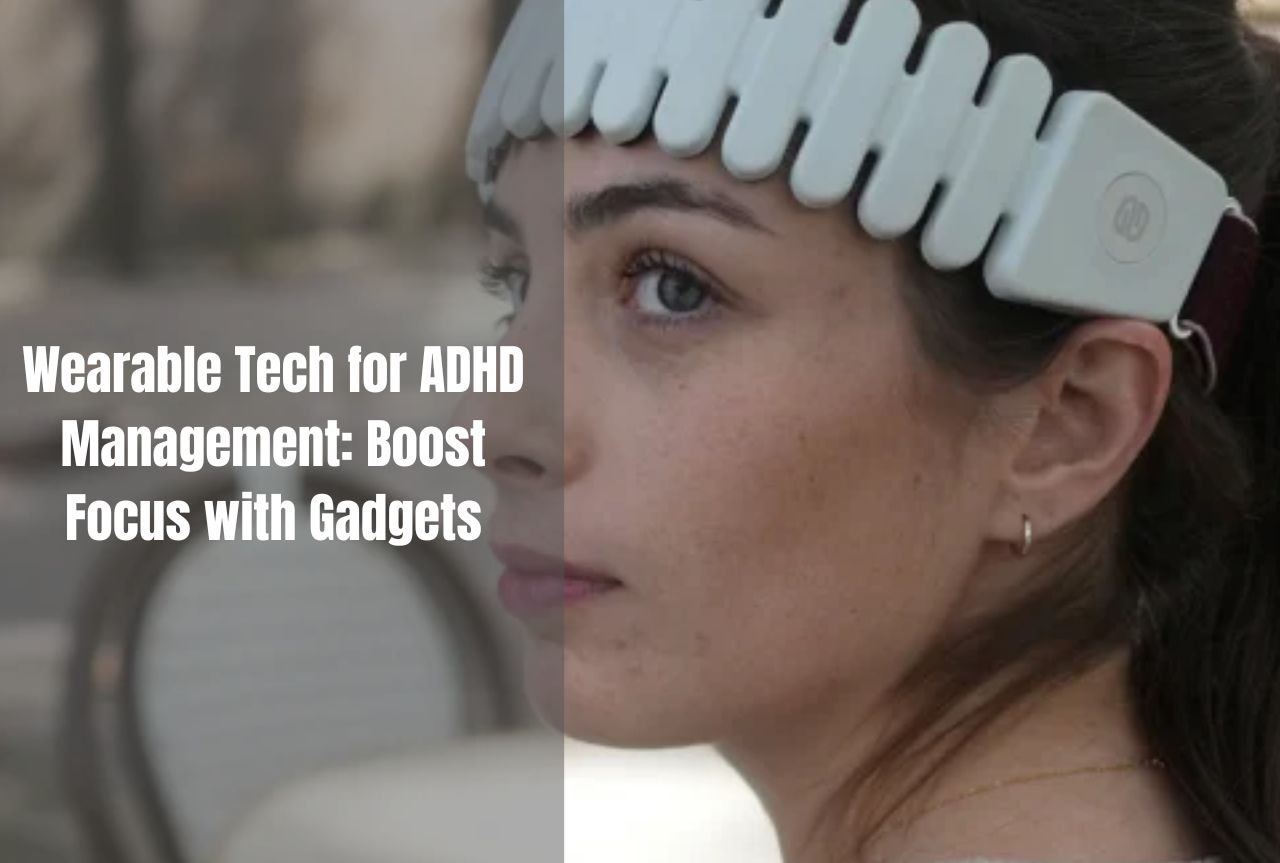
The Muse band is an innovative device designed to help users practice meditation and awareness. By providing real-time feedback on brain activity, the band can help people with ADHD develop better focus and relaxation techniques. This is particularly advantageous for those who cannot fight with traditional meditation methods.
4. Fitbit or similar fitness trackers
Fitness trackers, such as Fitbit, make more than simple steps. Many of these devices also monitor sleep models, heart rate, and stress levels, which can provide valuable information on how these factors influence the symptoms of ADHD. A good night of sleep and regular physical exercise can have a significant impact on concentration and attention.
Integrate wearable technology into daily life
Now that you know the various wearable technological options available, the next step is to integrate them effectively into your daily routine. Here are some implementable suggestions:
1. Establish clear objectives
Before starting to use wearable technology for the management of ADHD, set specific objectives. Are you trying to improve concentration during working hours? Or maybe you want to manage your time better? Having clear goals will help you choose the right device and features.
2. Create a routine
Incorporate your wearable technology into a daily routine. For example, use the smartwatch to set a reminder for breaks or to start working on specific activities. Consistency is the key, especially when ADHD is managed.
3. Monitor your progress
Use the data provided by the wearable device to monitor your progress. Many devices offer insights into how you are focusing, stress levels, and even sleep quality. Regularly review this information to identify the models and areas for improvement.
4. Experiment and regular
Do not hesitate to experiment with different features and settings. What works for someone else may not work for you. Be open to adjusting the way you use your wearable technology to find what improves your concentration and productivity more effectively.
Embraces the future of the management of ADHD
While we move further in 2025, the Panorama of the management of ADHD continues to evolve. The wearable technology for the management of ADHD offers a promising road to people who try to improve concentration, improve organization, and manage symptoms more effectively.
With real-time feedback, reminders for activities, stress monitoring, and gamified productivity, these gadgets are not only tools, but they are companions on your journey to better attention and a more organized life.