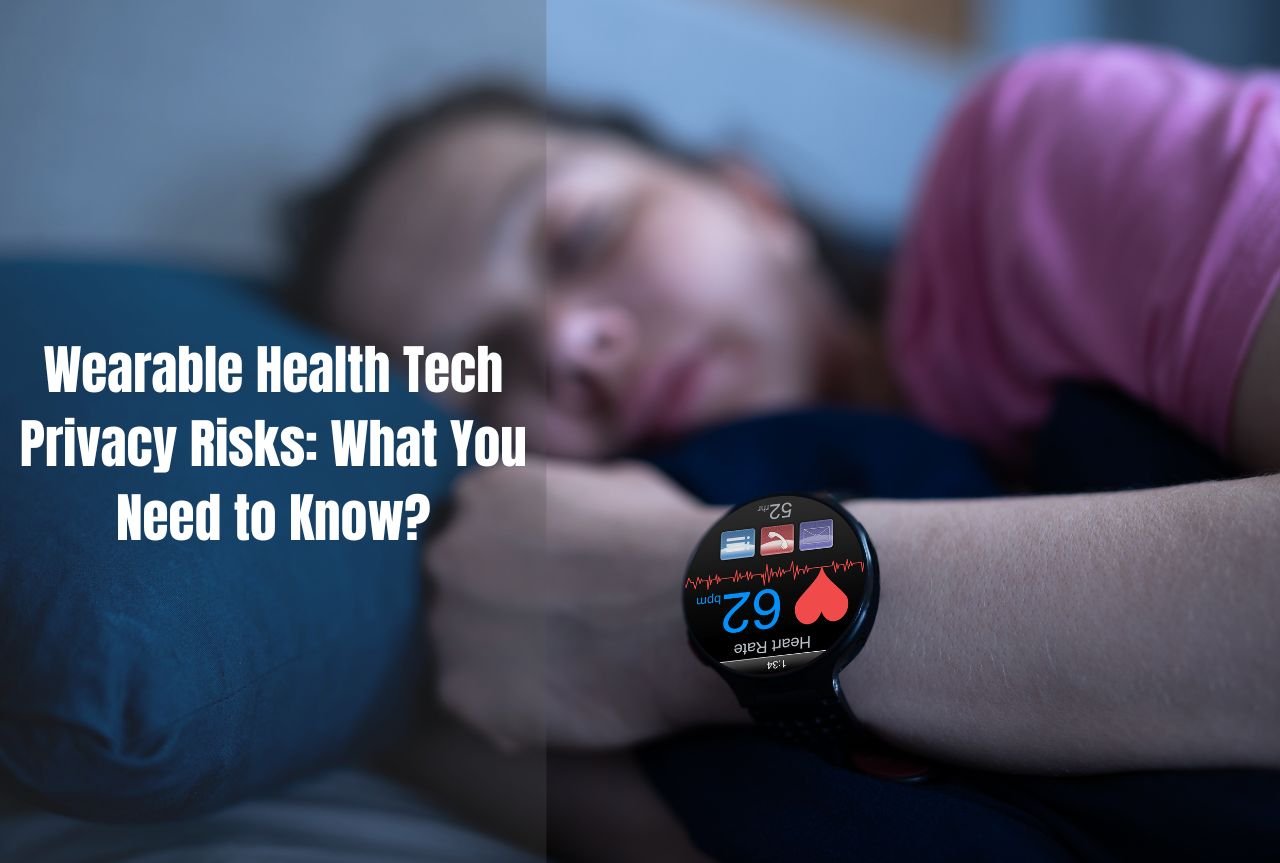

Wearable health technology has become an integral part of our daily life. From smartwatches that follow our heart rate to fitness bands that monitor our sleep models, these devices offer valuable information on our health and well-being.
However, with the convenience of monitoring our physical form comes a series of privacy risks that cannot be ignored. Many users are blessedly unaware of how their data is collected, stored, and potentially shared their data on personal health.
The rise of wealthy health technology
Wearable health technology has made great strides in recent years. Devices such as smartwatches, fitness trackers, and health monitoring patches have transformed the way we face our well-being.
They can trace vital signs, monitor physical activity, and even provide notices for potential health problems. But while the benefits are exceptional, the risks associated with the collection of sensitive health data are equally formidable.
Understanding of privacy risks
As we embrace these technologies, it is essential to understand the potential privacy risks involved. Here are some of the most urgent concerns:
1. Data collection and sharing
Wearable devices collect large quantities of data, from heart rate to sleep models. These data are often shared with third-party applications and companies, raising concerns about those who have access to your information. Many users do not read privacy policies and service terms, which can lead to consent given for sharing data without a full understanding.
2. Lack of data security
Many wearable devices may not have solid security measures to protect your data. Violations of IT security can expose information on personal health, leading to the theft of identity or other harmful activities. The responsibility to protect your data often falls on the manufacturers, but not all companies give priority to data security in the same way.
3. Targeted advertising and profiling
Your health data can be valuable for companies. Companies can use the information collected by the wearable device to create detailed profiles for targeted advertising. This means that your health habits could be used to market the products, raising ethical questions about consent and privacy.
4. Informed consent problems
Many users may not fully understand what they are consenting to when they agree to use a wearable device. The complexity of privacy policies can obscure the extent to which the data will be used, shared, or sold. This lack of transparency can lead to involuntary violations of privacy.
Implications of the real-life of privacy violations
Understanding the risks is crucial, but it is equally important to consider scenarios of real life that illustrate the potential implications of the privacy risks of wearable health technology.
1. Discrimination in health insurance
Imagine a situation in which your insurance company gets access to your health data through your wearable device. If they see that you have a sedentary lifestyle, they may collect premiums or deny coverage for certain conditions. This scenario highlights the risk of discrimination based on personal health information.
2. Work safety problems
Employers are increasingly using wearable technology to monitor employee health. If the data of your device indicates chronic health problems, it could inadvertently influence work security. Employers may decide not to promote or take individuals based on health data, even if it is not related to work services.
3. Stigmatization and social pressure
Wearable devices can also contribute to social stigma. For example, if your health data indicates that you have high blood pressure, friends or family could unknowingly judge your life choices. This can lead to social pressure that affects mental health and well-being.
What can you do to protect your privacy?
Now that we have explored the various risks associated with wearable health technology, we will discuss the impossible steps that you can adopt to protect your privacy.
1. Read privacy policies
Before using any wearable device, take time to read its privacy policy. Search for information on how your data will be collected, stored, and shared. Understanding the terms can help you make informed decisions about the use of technology.
2. Regulates privacy settings
Most wearable devices are equipped with privacy settings that allow you to check which data is shared and with whom. Take advantage of these settings to limit data sharing only to what you feel comfortable with.
3. Use strong passwords
Make sure your wearable device and all associated accounts are protected by strong passwords. Take into consideration the use of two-factor authentication for a further level of security. This can help protect your data from unauthorized access.
4. Limit data sharing
Be selective about which apps you connect to your wearable device. Share your data only with trusted applications and services. If an app requires more data than necessary, consider whether the risk is worth.
5. Store informed
The panorama of privacy risks of wearable health technology is in constant evolution. Remain informed about the latest security practices, data violations, and privacy regulations. Knowledge is power, and being proactive can help you protect your health data.
The future of the privacy of wearable health technology
While we put ourselves deeper into 2025, the privacy conversation of wearable health technology will not intensify. With the progress of technology, the innovation potential is vast, but it also carries risks. Companies will have to prioritize users’ privacy and develop transparent policies to maintain consumers’ trust.
The regulations will probably evolve, pushing more rigorous checks on how health data is collected and used. Consumers will require greater transparency and safety from the producers, leading to a more informed user base that enhances privacy.
Conclusion
Wearable health technology offers incredible advantages, from improving fitness monitoring to proactive health monitoring. However, associated privacy risks are equally significant. By understanding potential pitfalls and adopting proactive measures to protect your data, you can enjoy the advantages of wearable technology without compromising your privacy.
While browsing this world guided by technology, remember that your health data is yours.