
Have you ever dreamed of diving deep into the ocean, exploring unknown areas, and encountering the mysterious creatures that inhabit the depths? Well, thanks to the technological miracle that is known as the underwater drone with that dream is more accessible than ever.
These innovative gadgets have been revolutioned in marine exploration, scientific research, and even recreational diving.
What is an underwater drone with Sonar?
An underwater drone with sonar is a remotely operated vehicle (ROV) that is designed to navigate underwater environments while they are equipped with Sonar technology. This allows it to map the ocean floor, detect objects, and provide real-time data to users above water.
These drones are built to withstand the pressure of deep-sea exploration, making them invaluable to researchers, marine biologists, and hobbyists.
The technology behind Sonar
So, how does Sonar work? Sonar stands for sound navigation and ranging. It works according to the principle of steering sound waves in the water and measures how long it takes before those waves bounce back after touching an object.
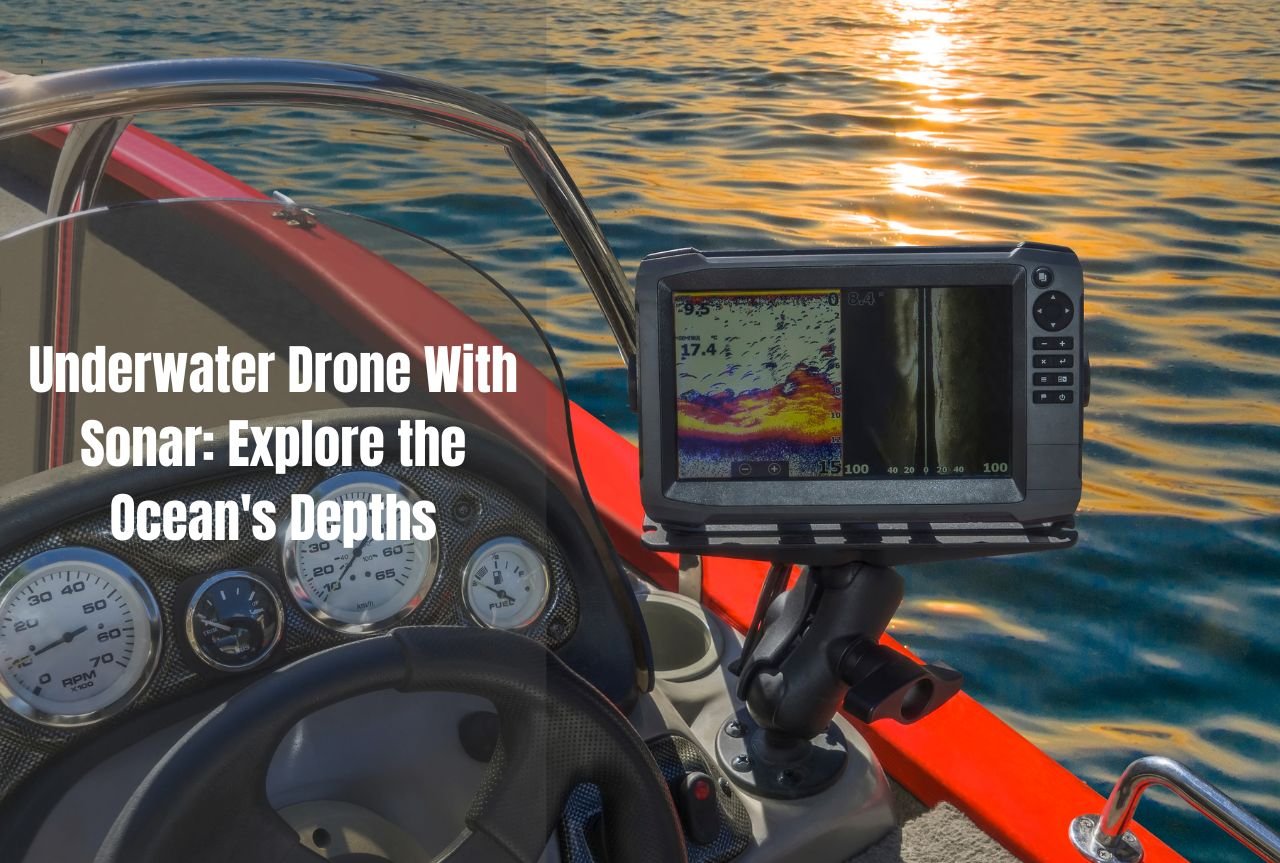
This data can then be translated into images, so that users can visualize underwater landscapes and identify objects, beings, or even shipwrecks.
Types of sonar used in underwater drones
Two primary types of sonar systems are used in underwater drones:
- Active sonar: This type transmits sound waves and waits until the ultrasound returns. It is great for detecting objects and mapping the ocean floor.
- Passive sonar: This system listens to sounds made by underwater objects, such as the life or machines of marine life. It is especially useful for studying animal behavior.
Uses of Underwater Drones with Sonar
The versatility of underwater Drones with Sonar technology opens a world of possibilities. Here are some of the most common applications:
Marien Investigation and Preservation
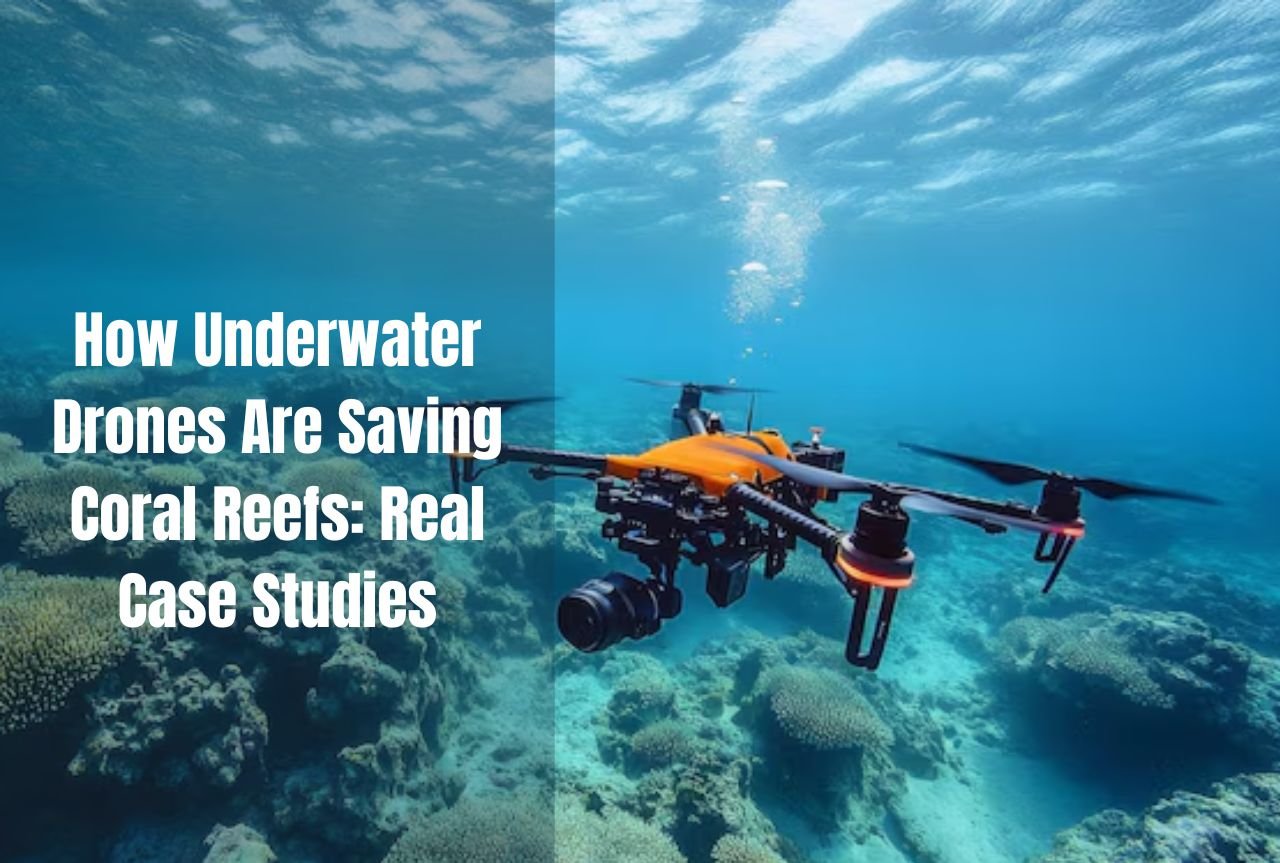
Scientists and researchers use underwater drones to study marine ecosystems, follow fish populations, and study coral reefs. With Sonar image formation with high resolution, they can collect data without disturbing the delicate balance of underwater habitats.
This non-invasive approach helps to maintain conservation efforts and offers insight into how climate change influences the life of marine.
Search and recovery operations
In search and recovery missions, underwater drones can cover large areas quickly and efficiently with Sonar. They can find sunken barrels, rubble or even missing people in water bodies. The ability to visualize the underwater site in real time speeds up these activities considerably.
Exploration and Filmmaking
For filmmakers and explorers, underwater drones offer a unique perspective of the depths of the ocean. These drones can capture beautiful High-Definition images, so that the audience can experience the beauty of underwater life up close. In combination with Sonar technology, they can also explore areas that are otherwise inaccessible to human divers.
Infrastructure inspection
Underwater drones are increasingly being used to inspect underwater infrastructure, such as pipelines, bridges, and dams. With Sonar technology, they can detect errors or wear to guarantee safety and prevent expensive repairs along the line.
Choose the right underwater drone with sonar
If you are considering investing in an underwater drone with Sonar, there are several factors to keep in mind:
Draft
Different models have different depth classifications. Depending on your intended use, ensure that the drone can process the depths that you intend to explore. Many consumer drones can dive up to 100 meters, while professional drones can reach a few thousand meters.
Sonar resolution
The resolution of the Sonar image formation is crucial. Higher resolution offers clearer images, making better object identification possible. Consider which level of detail you need for your projects.
Battery life
The battery life is another essential aspect. Look for drones that offer a longer operational time, especially if you are planning long explorations. Many drones come with replaceable batteries, making fast swaps possible during extensive missions.
Control and navigation
Easy control is essential, especially for beginners. Some drones are supplied with user-friendly apps with which you can operate them from your smartphone. In addition, GPS and automatic return-to-home functions are favorable for guaranteeing safe navigation.
How can you start exploring with your underwater drone?
Ready to start your underwater adventure? Here is a quick guide to help you on your way:
1. Research and purchase
Do a thorough investigation into different models of underwater Drones with Sonar. Read reviews, view videos, and compare functions to find the best fit for your needs.
2. Learn the basics
Make yourself familiar with the controls and functions of your new drone. Many manufacturers offer manuals, tutorials, and online communities where you can learn tips and tricks.
3. Start small
Start your exploration in shallow waters. This allows you to practice controlling the drone and understanding how the sonar technology works without the extra pressure of deep-sea conditions.
4. Document your findings
Keep a logbook of your explorations, including the areas you have visited, the species that you have encountered, and any interesting findings. This not only improves your experience but also contributes to broader marine knowledge.
Final Thoughts
With the rise of the underwater drone with the oceans are more accessible than ever before. Whether you are a marine enthusiast, a researcher, or just someone looking for a new hobby, these drones open a world of possibilities. From mapping unexplored areas to studying marine life and helping rescue missions, the applications are endless.
So get up and prepare for an adventure in the unknown. Explore responsibly, respect marine life, and let the miracles of the ocean unfold before your eyes.