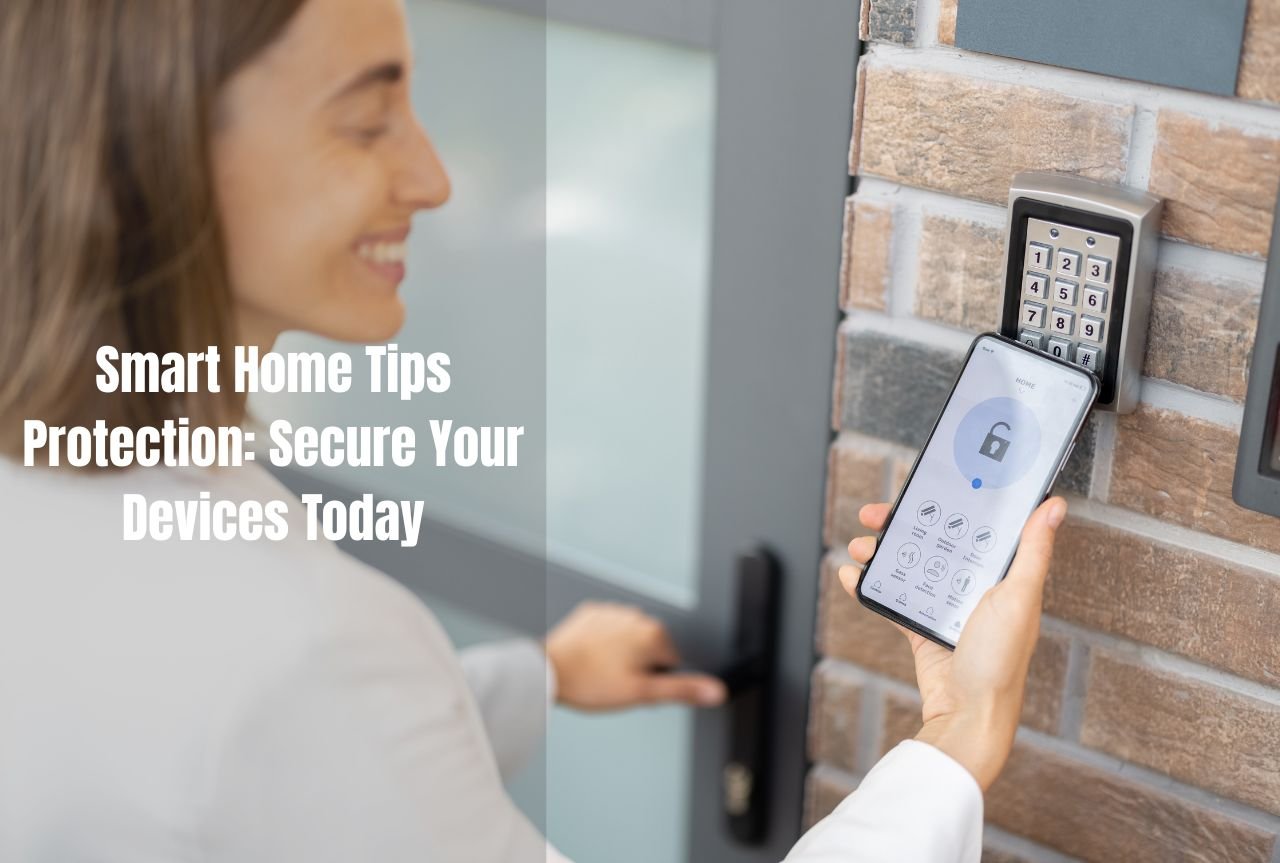

Smart houses have become the norm instead of the exception. With the comfort of controlling everything, from its lights to its thermostat, with just a touch on your smartphone, it is not surprising that more people adopt this technology.
However, as we deepen the Age of Smart Houses, the problem of intelligent piracy protection has never been more critical. In 2025, as our houses interconnect more and more, the potential of cyber threats grows exponentially. In this article, we will explore how to ensure your intelligent devices and protect your home from piracy attempts.
Understand intelligent house security risks
Before deepening the ways of protecting your smart home, it is essential to understand the risks involved. Smart devices, although convenient, can also be vulnerable to piracy attempts. These are some common risks associated with Smart Home technology:
1. IoT insecure devices
Many Internet of Things (IoT) devices, such as smart cameras and thermostats, often come with weak security protocols. Manufacturers sometimes prioritize the convenience of safety, leaving open devices to possible infractions. For example, predetermined passwords that have never changed can be a gateway on their domestic network.
2. Bad networks
Many owners overlook the importance of ensuring their Wi-Fi networks. A poorly configured network can be an easily exploited entry point for computer pirates. If your network is not protected with a password or if you are using obsolete encryption methods, you are putting your smart devices at risk.
3. Uncommunicated communication
Smart devices often communicate with each other and with external servers. If this communication is not encrypted, the data can be intercepted. Computer pirates can intercept their conversations or even take control of their devices.
4. Malware and ransomware
Like computers and smartphones, smart devices can be infected with malware. Once infected, the device can be used to execute malicious activities, such as spying on you or launching attacks on other devices on your network.
5. Phishing attacks
Phishing attacks are not limited to email. In the space of the smart house, attackers can create messages that seem to be from legitimate services to deceive it into providing confidential information or access to their devices.
Essential piracy protection strategies for the smart home
Now that we have a better understanding of risks, let’s see some practical strategies for intelligent home piracy protection.
1. Change predetermined passwords
The first step to ensure your smart devices is to change user names and predetermined passwords. Many manufacturers use predetermined credentials that are widely known and easily accessible. By customizing these configurations, it will significantly reduce the risk of unauthorized access.
2. Implement safe password practices
When creating passwords, make them complex and unique. Use a combination of letters, numbers, and special upper and lower case characters. Avoid using easily divinable information, such as birthdays or pet names. Consider using a password manager to generate and store your passwords safely.
3. Enable two-factor authentication (2FA)
Whenever possible, enable the authentication of two factors in their intelligent devices and accounts. This adds a security layer to require a second form of verification, as a code sent to your phone, before granting access.
4. Keep updated software
Manufacturers regularly publish updates to improve security and address vulnerabilities. Make it a habit to verify the updates of all its intelligent devices and applications. Enable automatic updates if the option is available; This ensures that it is always protected against the latest threats.
5. Ensure your Wi-Fi network
His Wi-Fi network is the backbone of his smart home. Here are some steps to ensure:
- Change the default SSID: Change the name of your network to something that does not identify you or your location.
- Use a safe password: Create a complex password for your Wi-Fi network.
- Enable the encryption WPA3: If your router supports it, use WPA3 for better security.
- Disable WPS: Wi-Fi Protected Setup can be exploited; Turn off to avoid unauthorized access.
6. Segment your network
Consider creating separate networks for your intelligent devices and personal devices. In this way, even if a device is compromised, the hacker will not easily access its other devices. Many modern routers allow you to create guest or VLAN networks for this purpose.
7. Monitor your devices
Regularly check the devices connected to your network. Many routers have a web application or interface where you can see all connected devices. Be sure to recognize everyone. If you see an unknown device, take immediate measures to investigate and eliminate it if necessary.
8. Use a VPN
A virtual private network (VPN) encrypts its Internet connection, adding a security layer when accessing smart devices remotely. This is particularly important if it often connects to public Wi-Fi networks, since they can be blacksmiths for cybercriminal activity.
9. Be careful with third-party applications
While third-party applications can improve the functionality of their intelligent devices, they can also introduce security vulnerabilities. Just download applications from trusted sources and read the reviews before installation. Take into account the permits requested by these applications; If it seems excessive, reconsider.
10. EDUCATE YOUR FAMILY ALREADY
Knowledge is power. Stay informed about the latest threats and educate your family members about intelligent piracy protection at home. Discuss online safe habits, such as clicking on suspicious links or sharing passwords. The more they are aware of everyone, the safer the home will be.
The future of smart home security
As technology continues to evolve, threats do so. In 2025, we can expect even more advanced intelligent home technologies, but with that comes a greater need for solid security measures. The industry is responding with innovations as AI -AI-promoted security systems that can predict and prevent attacks before they occur.
In addition, consumers are increasingly aware of the importance of intelligent home piracy protection, leading manufacturers to prioritize safety characteristics in their products. Wait to see devices with incorporated safety protocols and easy -to -use interfaces that help you maintain a safe environment.
Take measures today
Intelligent home piracy protection is not just a fashion word; It is a necessity in our increasingly connected world. By taking proactive measures to ensure their intelligent devices and networks, you can enjoy the comforts of modern technology without compromising your safety.
Start by changing default passwords, enabling two-factor authentication of two factors and maintaining your updated software. Implement strong network security practices and educate your family about the importance of being attentive to cyber threats.
Stay informed, take action, and protect your digital sanctuary. The future of Smart Homes is brilliant, but only if we prioritize the intelligent protection against home piracy.