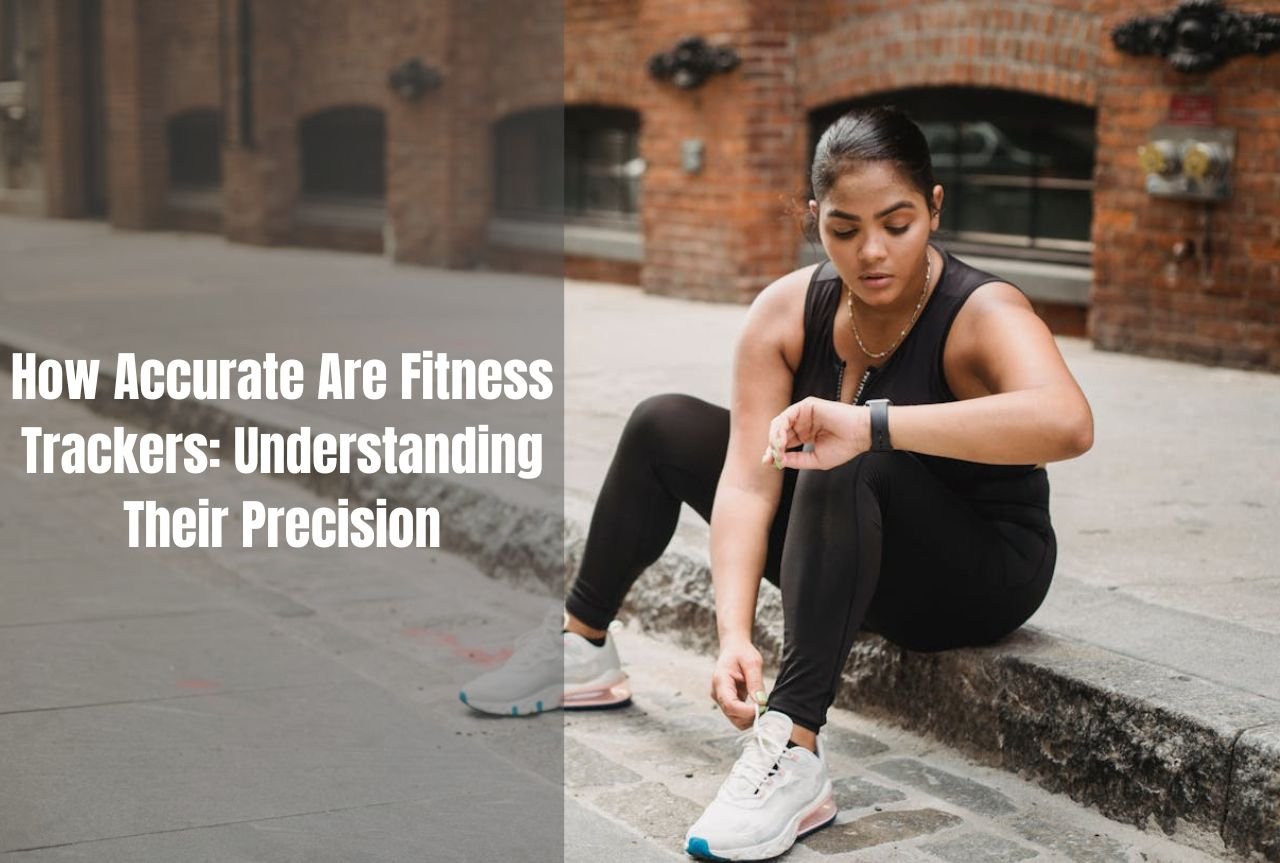

When it comes to tracking our health and fitness, fitness trackers have become indispensable tools. Regardless of whether you are a committed athlete or an occasional hiker, these devices promise to monitor your progress and motivate you to achieve your goals. But have you ever asked yourself: “How exactly do fitness trackers work?”
We immerse ourselves deeply into the precision of these devices, examine what affects your accuracy, and give you implementable knowledge to get the best out of your fitness tracking experience.
The rise of the fitness trackers
Fitness trackers have increased more and more popular in the past ten years. With elegant designs and advanced technologies, they have turned into highly developed devices from simple pedometers that can monitor the heart rate, sleep pattern, and even stress levels. With all of these functions, however, it is important to understand how exactly these devices really are.
If we cannot trust the data, how can we base our fitness decisions on it?
Factors that affect accuracy
To answer the question: “How exactly are fitness trackers?” We first have to take several factors into account that influence their precision:
1. Sensor quality
The accuracy of a fitness tracker often depends on the quality of its sensors. High-end models usually use expanded sensors that provide more reliable data. For example, optical heart rate sensors measure the blood flow to determine the heart rate, while accelerometry measures the movement.
Lower quality sensors may have difficulty delivering precise readings, especially with highly intensive training sessions or with loose wear.
2. Type of activity
Not all activities are the same when it comes to the pursuit of accuracy. Most fitness trackers count in steps and monitor the heart rate in inpatient activities such as walking or running. However, you can struggle with more complex movements, such as weightlifting or cycling, whereby the type of activity can lead to discrepancies in the data.
3. User input
Your data plays an important role in the exact type of fitness tracker. In most devices, you have to enter details such as age, weight, size, and gender to provide personalized knowledge.
If this information is wrong, the generated data can be misleading. Always make sure that your profile is up to date for the most accurate measured values.
4. Environmental factors
External conditions can also affect the accuracy of fitness trackers. For example, extreme temperatures can influence the sensor performance, and the placement of the device on your wrist can influence the heart rate values. Sweat, loose belts, or wearing the tracker on your dominant hand can lead to variations of accuracy.
Evaluation of accuracy: a closer look
After examining the factors that influence the accuracy, we take a closer look at how fitness trackers develop in different areas.
Level
Most fitness trackers are very precise when it comes to counting steps. Studies show that they can be within 10% of the actual steps, which is generally considered acceptable for daily use. However, if you use the tracker for certain training purposes, such as running intervals, accuracy can decrease.
Heart rate monitoring
The heart rate accuracy can vary significantly between different brands and models. Some fitness trackers offer real-time heart frequency monitoring, which is fairly accurate in light to moderate activities.
In the case of highly intensive training sessions, however, the measurements can remain inaccurate or increase. If precise heart rate data is of crucial importance for your training, you should use a chest belt monitor in connection with your fitness tracker.
Calorie-burning estimate
The estimate of calorie burn is one of the most difficult areas for fitness trackers. Most devices use algorithms based on heart rate, activity levels, and personal information to estimate the burned calories.
Studies have shown that these estimates can be switched off by up to 30%. Try to complement your Tracker data with other methods, such as metabolic examination, for a more precise assessment.
Sleeping
Sleep Tracking has become a popular feature in many fitness trackers. These devices can provide insights into their sleeping patterns, but they may not always be precise.
Most trackers use the movement to measure sleep levels, which can lead to inaccuracies. If the sleep quality is a main concern for you, you should use dedicated sleep monitoring devices or apps for more reliable data.
Comparison of the popular fitness trackers
When looking at “How are fitness trackers?”, it is helpful to compare some of the most popular devices on the market.
Fitbit
Fitbit devices are known for their step and heart rate monitoring. Many users can be found reliably for daily activities, although the accuracy of the heart rate can fluctuate in intensive workouts.
Apple Watch
The Apple Watch is another popular option, especially for monitoring and integrating the heart rate with other health apps. Users often report a high level of accuracy in the step and heart rate tracking, which makes it a trustworthy choice for many fitness enthusiasts.
Garmin
Garmin Fitness trackers are often preferred by serious athletes for their GPS functions and detailed performance metrics. They provide reliable data for a number of activities, including cycling and running, which means that they are a strong candidate for accuracy.
Maximize the accuracy of your fitness tracker
If you want to optimally use your fitness tracker, you will find some implementable tips here:
1. Wear it correctly
Make sure that your fitness tracker fits your wrist tightly. A loose fit can lead to inaccurate heart rate and step measurements.
2. Update your information
Keep your data updated in the app. This helps the tracker deliver more precise estimates based on their current statistics.
3. Calibrate your device
Some fitness trackers enable calibration for better accuracy. If you use one for certain sports, take the time to calibrate it for these activities.
4. Cross-reference data
Consider using additional methods to refer to your data. In the case of heart rate monitoring, a chest strap can provide more reliable measurements during intensive workouts.
5. Set realistic expectations
Understand that fitness trackers are helpful, but they are not infallible. Use them more as a guide than as a final source of information.
The final result for the accuracy of the fitness trackers
How exactly are fitness trackers? While you offer a convenient way to monitor your fitness trip, your accuracy can vary depending on factors, as the device, activity, and user input.
By understanding the restrictions and strengths of your fitness tracker, you can use the data it makes available to motivate and inform your health decisions.
Remember, no device is perfect, and it is important to combine the knowledge you gain from your tracker with other health and fitness strategies. Regardless of whether you lose weight, lose weight, improve your perseverance, or just stay active, a fitness tracker can be a valuable companion on your trip.