
Wearable ECG monitors have emerged as a turning point. Imagine that he can monitor the health of your heart from the wrist or chest. These devices offer unprecedented comforts and insights, but are they everything that they are supposed to be?
We will immerse ourselves in depth in Mussional ECG monitoring pros and cons By giving you essential insights to help you make an informed decision on the health of your heart.
What are wearable ECG monitors?
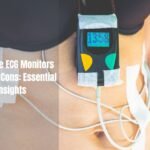
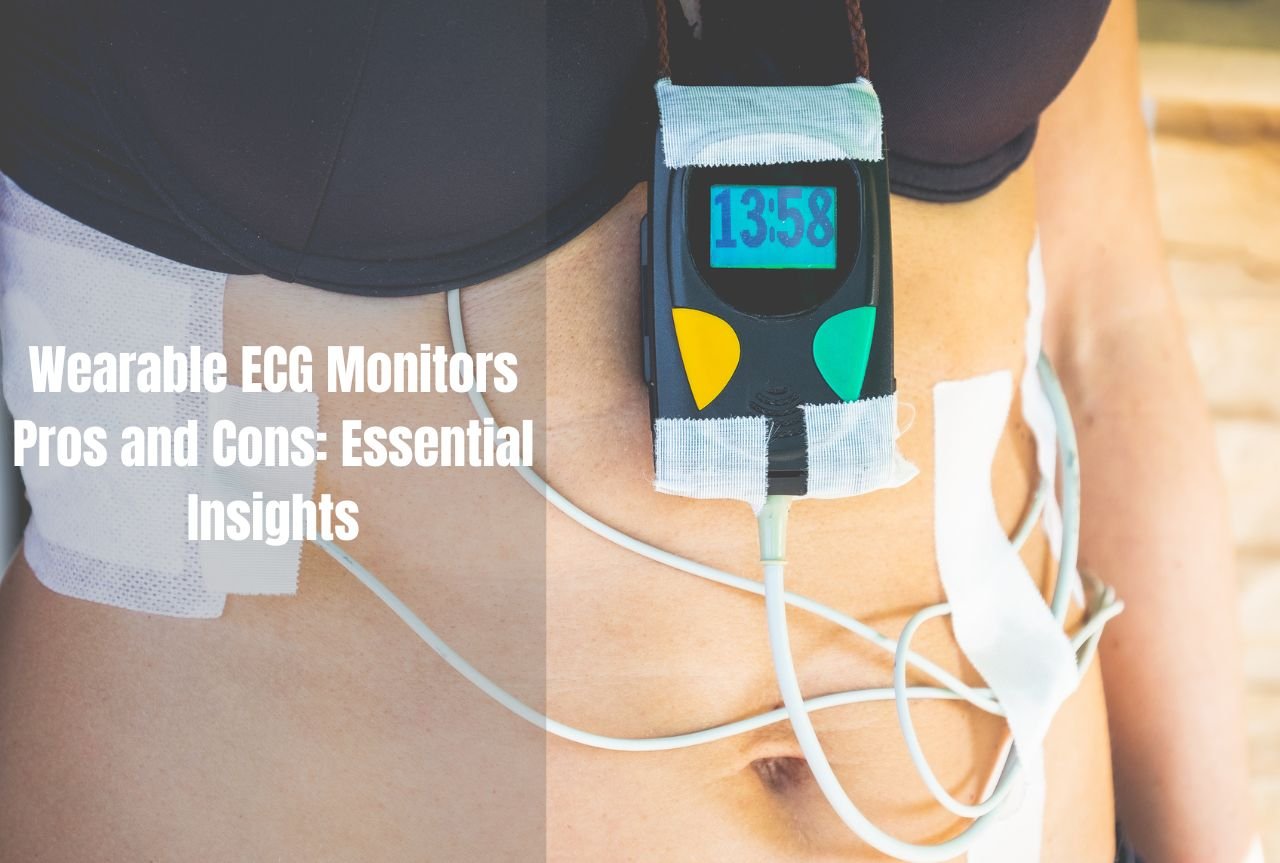
The wearable ECG monitors are portable devices designed to measure the electrical activity of your heart. They can be worn comfortably and continuously, providing real-time data on the heart rate. Unlike the traditional ECG machines used in hospitals, these devices are compact, intuitive, and designed for daily use.
The ascent of wearable ECG monitors
While we enter 2025, the popularity of wearable health technology has risen to the stars. With more people becoming attentive to health, the demand for devices capable of monitoring heart health has increased. The wearable ECG monitors adapt perfectly to this trend, merging technology with health management.
Wearable ECG monitor professionals
1. Continuous monitoring
One of the extraordinary characteristics of the wearable ECG monitors is their ability to provide continuous heart monitoring. This is a crucial advantage for people with existing heart conditions or those at risk. By offering real-time data, these devices can notify users of irregularities, helping to capture potential problems before they intensify.
2. Intuitive design
Today’s wearable ECG monitors are designed by thinking about the user. Many models are elegant, light, and easy to wear. Whether it’s a smartwatch or a chest belt, you can find a device that adapts perfectly to your lifestyle.
3. Tracking and data analysis
Wearable ECG monitors are generally provided with apps that allow users to monitor heart health over time. These data can be precious, providing insights into trends and changes in heart rate. In addition, you can share this information with your health worker, making consultations more effective.
4. Empowerment and awareness
Having access to your heart data allows you to take care of your health. You will get a better understanding of your body, and you can make informed decisions on the lifestyle changes and health interventions. This awareness can lead to better heart health and general well-being.
5. Integration with other health metrics
Many wearable ECG monitors also monitor other health metrics, such as levels of activity, sleep quality, and stress. This holistic approach to health monitoring allows you to see the wider picture and understand how different aspects of your life affect the health of your heart.
The cons of the wearable ECG monitors
1. Precision concerns
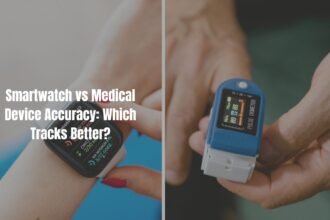
While wearable ECG monitors are generally reliable, they may not always provide the same precision level as traditional ECG machines. Factors such as movement, poor contact with the skin, or malfunction of the device can lead to misleading readings. It is essential to view these devices as additional tools rather than substitutions for professional medical assessments.
2. Data overload
With continuous monitoring, a wave of data arrives. For some users, this can be overwhelming. The interpretation of the data correctly requires a certain level of understanding, and without an adequate guide, users can interpret the health of the heart badly.
3. Privacy concerns
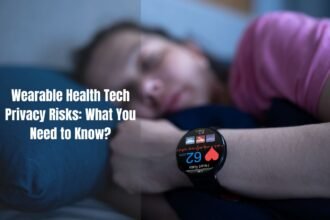
As with any connected device, there are privacy problems surrounding the data collected from the wearable ECG monitors. Users should be aware of how their data is used and archived, as well as the potential risks associated with the sharing of online health information.
4. Cost factors
Wearable ECG monitors may vary significantly in price. While there are some economic options, high-quality devices with advanced features can be quite expensive. Users should evaluate the benefits compared to the cost and consider whether they can justify the investment.
5. Life and battery maintenance
Like all electronic devices, wearable ECG monitors require regular loading and maintenance. Battery life may vary, and forgetting to load the device can lead to missed data. In addition, keeping the monitor clean and in good condition is essential for accurate readings, which can be an ungrateful task.
Who should consider wearable ECG monitors?
Wearable ECG monitors can be useful for a wide range of individuals, including:
- People with cardiac conditions should know: If you have a heart condition, continuous monitoring can provide tranquility and help you manage your health.
- Fitness enthusiasts: Fitness athletes and lovers can use these devices to monitor their heart rate during training and optimize their training.
- Individuals attentive to health: If you are proactive about your health, an ECG monitor can act as a precious tool to keep an eye on the health of your heart.
Usable insights
So, what should you remove from this exploration of Mussional ECG monitoring pros and cons? Here are some intuitions impossible to help you navigate in the world of wealth health technology:
- Do your search: Before buying a wearable ECG monitor, read reviews, compare the features, and consult your doctor to find the best solution for your needs.
- Understand the limitations of the device: Remember that while these devices are useful, they should not replace regular checks with the doctor.
- Remains informed: Educated on the data generated by your device. Many manufacturers offer resources to help you interpret your health information.
- Give priority to privacy: Be aware of the data you are sharing and be sure to use a reliable brand that gives priority to user privacy.
- Keep it loaded: Get the habit of loading your device regularly and keep it for optimal performance.
Summary
In conclusion, wearable ECG monitors represent significant progress in personal health technology. While offering numerous advantages, such as continuous monitoring and empowerment, there are also disadvantages to consider, including the concerns of accuracy and the potential overload of data.
By understanding the Musculoskeletal ECG monitoring pros and consYou can make informed decisions on the health of your heart.