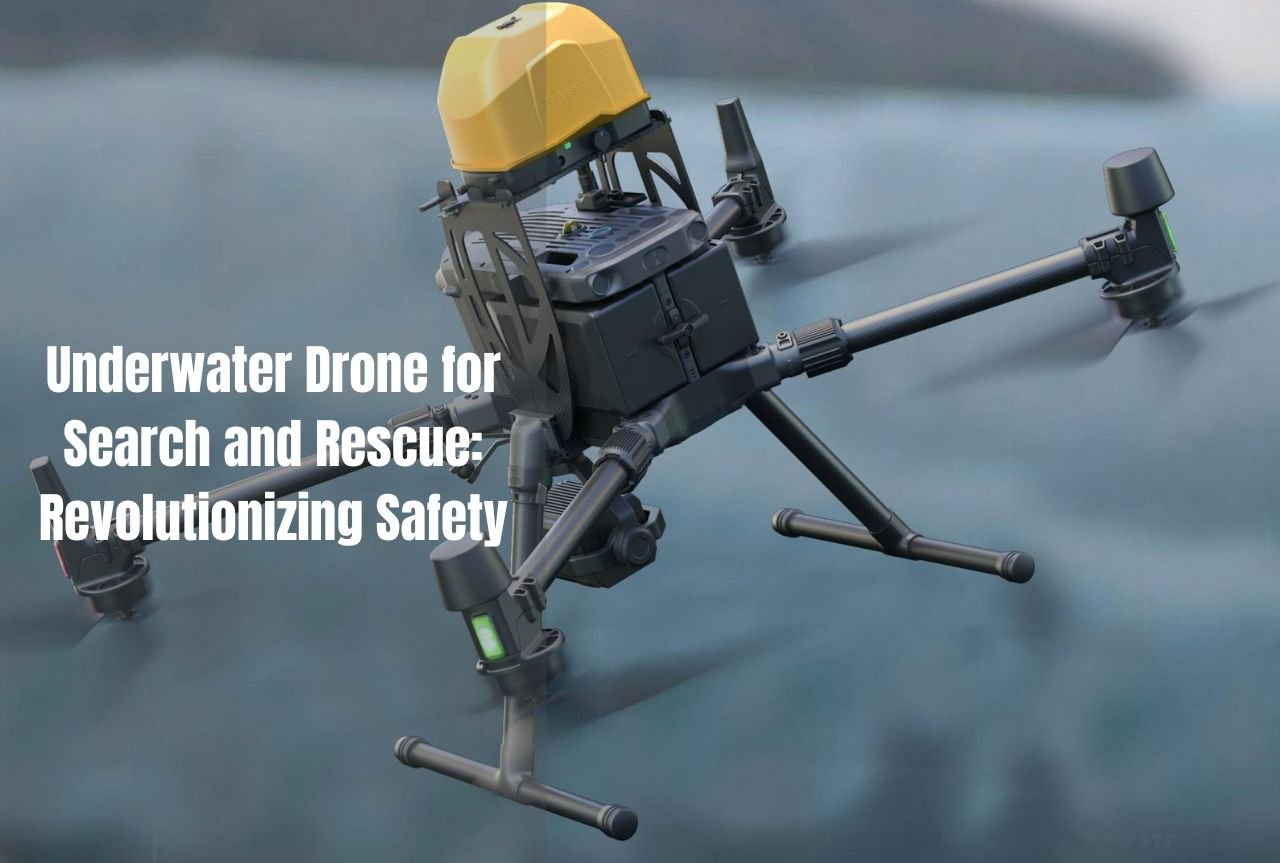

The underwater drone for search and rescue missions is a game-changer. Imagine a tool that can dive deep into the ocean or navigate through flooded areas, which provides real-time data and visuals to rescuers.
This innovation is not just a futuristic concept; It is an important jump in the direction of improving safety and efficiency in critical situations.
The integration of underwater drones in search and rescue operations is not just an improvement – it is a revolution. Let us elaborate on how these remarkable devices transform the landscape of emergency response.
Insight into underwater drones
What is an underwater drone?
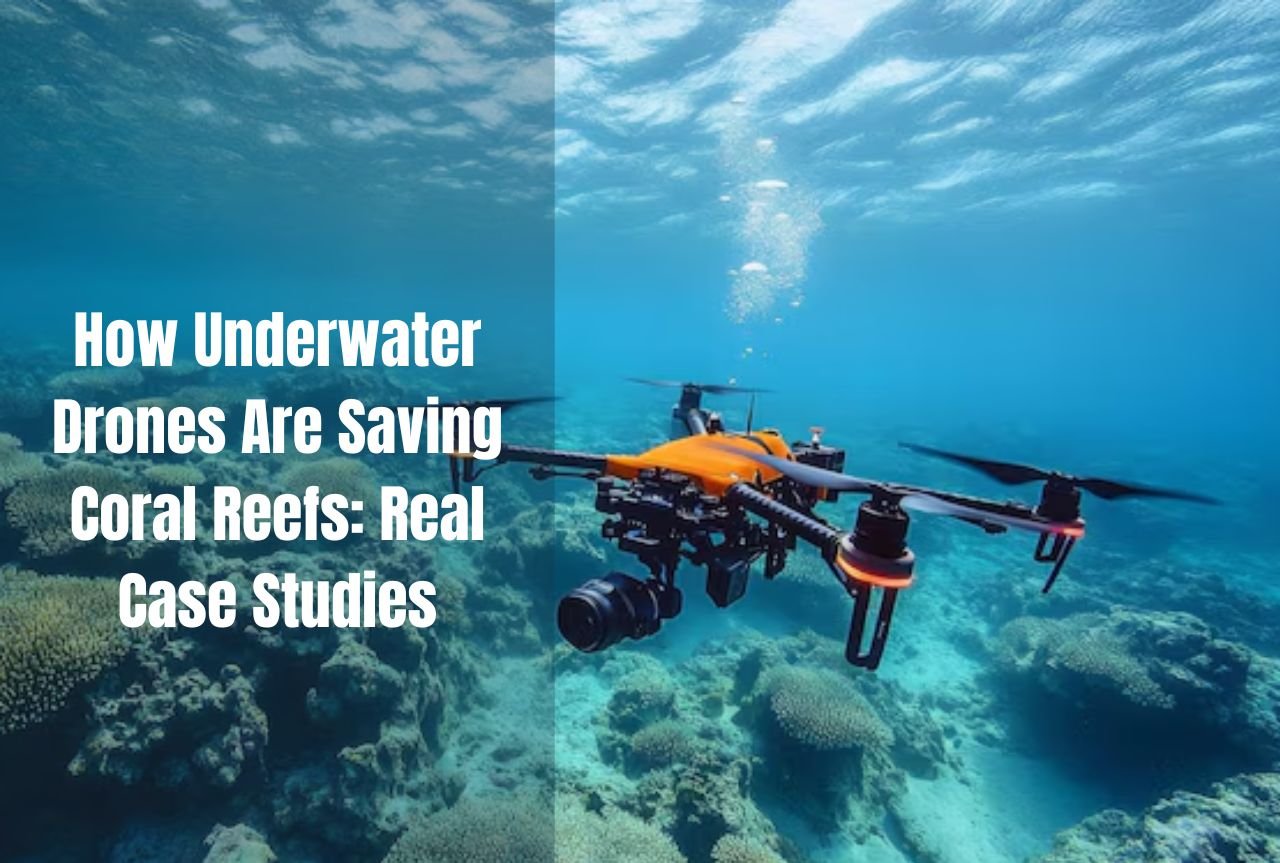
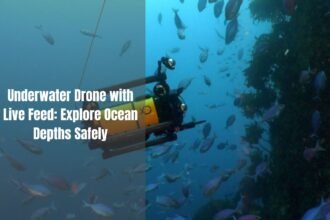
An underwater drone, also known as an unmanned underwater vehicle (UUV), is a robot machine that is designed to operate underwater. These drones are equipped with cameras, sensors, and other advanced technologies with which they can collect and convey crucial information.
They can be served or programmed remotely to follow specific routes, making them versatile tools for various applications, including searching and saving.
How do underwater drones work?
Underwater drones are equipped with powerful drive systems with which they can easily navigate through water. They use Sonar technology to map the underwater site and to detect objects. These drones can return live video tops, allowing search and rescue teams in real-time situations.
Some advanced models even have artificial intelligence, making autonomous navigation and data analysis possible.
The role of OndwaterDrones in search and rescue operations
Improving visibility and access
One of the most important challenges in search and rescue operations, especially in water environments, is visibility. Traditional methods can depend on divers or surface vessels, which can be limited by visibility and depth.
An underwater drone for search and rescue circles these challenges by giving a clear picture of the underwater landscape. With high-definition cameras and night visits, these drones can reveal critical details that could otherwise remain hidden.
Fast deployment and coverage
Time is essential in emergencies. Underwater drones can be used quickly, with large areas in a fraction of the time that it would cost human divers or boats. This rapid commitment is crucial in scenarios such as finding missing persons in lakes, rivers, or at sea.
The possibility of quickly collecting data and returning to CommandeCentra enables reading teams to make informed decisions without delay.
Safety for Rescuers
Risking human lives during search and rescue missions is a great concern for rescue teams. Underwater Drones minimize this risk by taking the dangerous task of navigating dangerous environments.
Whether they are dark waters, strong currents, or underwater waste, drones can explore these circumstances without jeopardizing human lives. This shift not only protects rescuers but also improves the overall effectiveness of the operation.
Case studies: Successful applications by OndwaterDrones
Finding missing persons
One of the most compelling examples of the effectiveness of OndwaterDrones is their use in finding missing persons. In 2024, a search and rescue team in California used an underwater drone to find a missing swimmer who had drowned in a lake.
Within a few hours after the deployment, the drone made clear images of the multi-bed, which led to the rapid recovery of the individual. This success story emphasizes the ability of the drone to work efficiently and effectively in critical situations.
Disaster response in flooded areas
In flood scenarios, traditional search efforts can be hindered by debris and unpredictable water levels. The use of an underwater drone for search and rescue in these circumstances proved to be invaluable during the catastrophic floods in 2025.
Teams were able to investigate immersed structures, identify potential dangers, and locate people who were stuck in floodwater. The drones provided a bird-eye view of the situation, making better planning and implementation of rescue efforts possible.
The future of OndwaterDrones in search and rescue
Integration with other technologies
As the technology continues to evolve, the future of OndwaterDrones looks promising. The integration of drones with other technologies, such as AI and Machine Learning, will further improve their possibilities.
Imagine your drones that not only search autonomously, but also analyze underwater conditions and predict potential rescue scenarios based on environmental data. This convergence of technologies will bring about a revolution in the way rescue operations are performed.
Training and adoption
For underwater drones to be completely effective in search and rescue missions, extensive training for rescue teams is essential. As these drones occur more often, training programs will probably arise, aimed at serving drones, interpreting data, and integrating drone findings into rescue strategies.
The more expert and competent the teams are, the better they can use these tools to save lives.
Challenges and considerations
Technical limitations
Although underwater drones are powerful tools, they are not without limitations. Factors such as the life of the battery, the business depth, and underwater signal loss can influence the performance.
Continuous progress in drone technology is crucial to overcoming these challenges and ensuring that drones can work effectively in different circumstances.
Regulating and ethical care
As with any technology, the use of underwater drones raises ethical and regulatory questions. Issues such as privacy, data security, and the environmental impact of drone activities must be tackled.
Administrative bodies need to establish regulations that ensure the responsible use of underwater drones, while their benefits are maximized in search and rescue activities.
Usable insights
1. Stay informed: Stay informed of the progress in underwater drone technology and its applications in search and rescue. Knowledge is the key to utilizing the benefits of these innovations.
2. Training programs: If you are part of a rescue team, you argue for training in the use of underwater drones. Insight into how to operate these devices will improve the efficiency and effectiveness of your team.
3. Collaboration: Foster cooperation between technology developers and rescue organizations. Sharing insights and experiences will lead to improved drone designs and operational strategies.
4. Community engagement: involve your local community in the importance of OndwaterDrones in searching and saving. Awareness can lead to better support and financing for these initiatives.
5. Regulating advocacy: Participate in discussions about the use of drones, so that ethical considerations are given priority in promoting the benefits of these technologies.
Conclusion
The underwater drone for searching and saving is not just a technological miracle; It is a life-saving tool that reforms how we approach affairs. With the possibility of improving visibility, improving safety, and streamlining the activities, these drones have cleared the way for a future where rescue missions are more effective than ever.
While we look ahead, embracing this technology and pleading for its responsible use will be crucial to ensure that we can respond quickly and safely to emergencies, so that life can be saved and revolutionize safety in our communities.