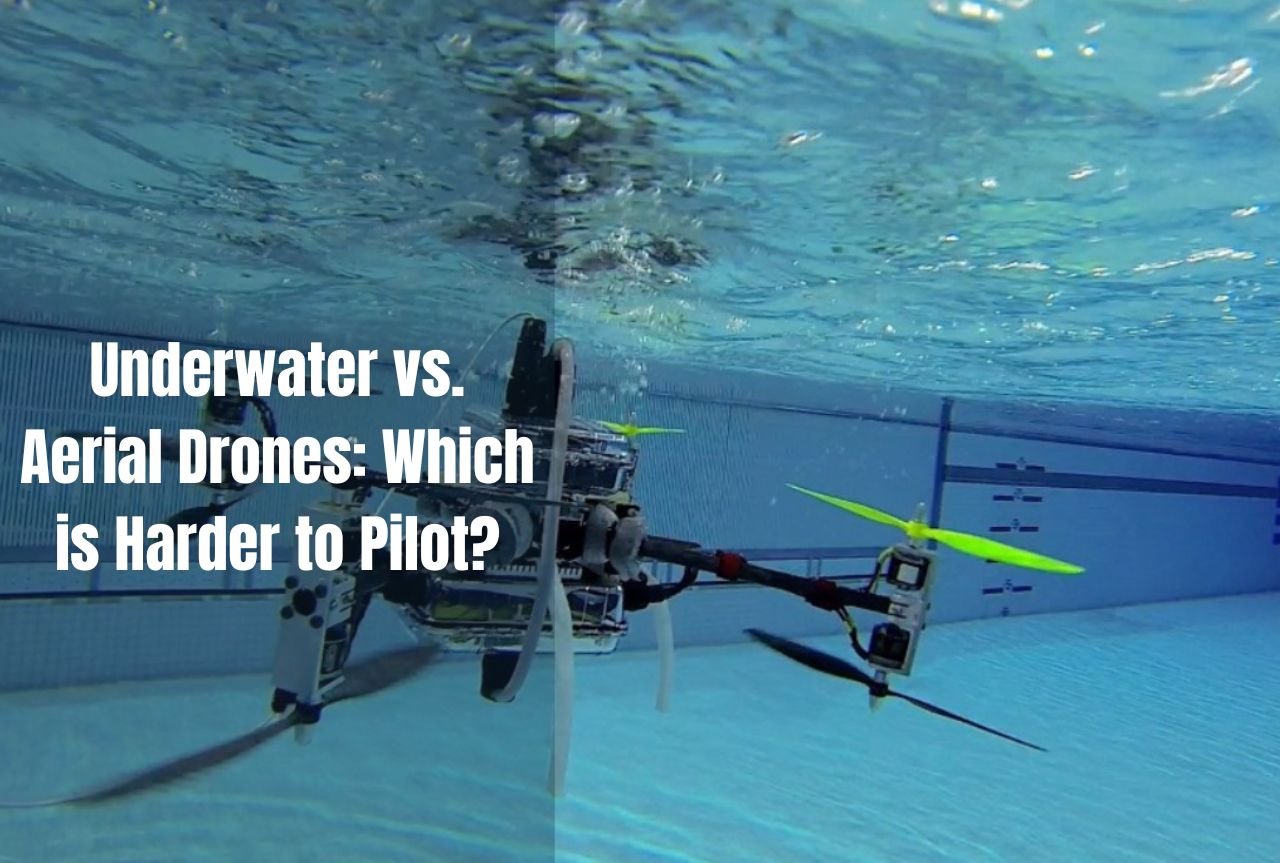

Underwater and aerial drones have revolutionized how we explore environments that are challenging or inaccessible to humans. But when it comes to the question of which is more difficult to pilot, the answer involves multiple factors, including environmental challenges, technical specifications, and operational requirements.
Understanding the Basics
Underwater Drones (ROVs)
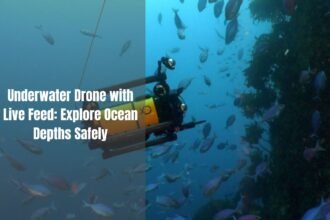
Underwater drones, often referred to as Remotely Operated Vehicles (ROVs), are unmanned submersible devices designed to explore aquatic environments. These sophisticated machines feature:
- A robust hull to withstand water pressure.
- Propulsion systems for underwater movement.
- Advanced sensors and cameras for navigation and data collection.
- Communication systems (typically tethered).
- Power supply designed for underwater operation.
ROVs are widely used in scientific research, industrial inspections, environmental monitoring, and defense operations.
Aerial Drones (UAVs)
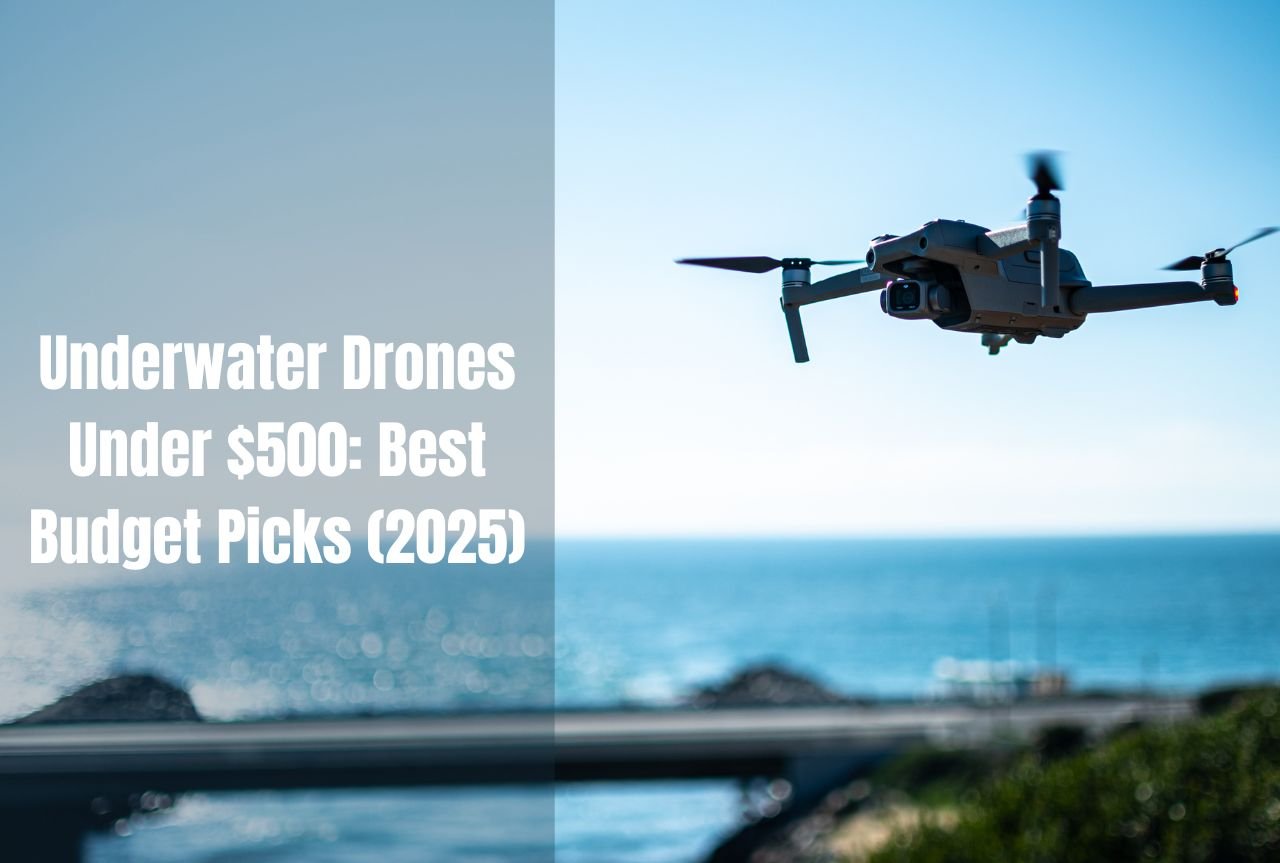
Aerial drones, or Unmanned Aerial Vehicles (UAVs), are aircraft operated without a human pilot onboard. Their key components include:
- Lightweight frame and propulsion system.
- Battery power source.
- Communication systems for remote control.
- Navigation systems, including GPS.
- Cameras and sensors for various applications.
UAVs have become essential tools in photography, surveying, search and rescue, delivery services, and recreational flying.
Environmental Challenges: A Major Differentiator
The Underwater Environment
The underwater environment presents unique challenges that significantly impact piloting difficulty:
Limited Visibility
Underwater pilots often operate in conditions with severely restricted visibility. Unlike aerial drones, where you typically maintain visual contact, underwater drone operators must rely entirely on camera feeds that can be compromised by:
- Water turbidity.
- Murky conditions.
- Limited light penetration.
- Sediment disturbance during operation.
As noted by drone operators at Skanska: “The biggest difference is the line of sight. While controls and maneuverability are similar, you always have aerial drones in your line of sight. Underwater drones can only be seen on the surface of the water, especially with New York City’s murkier water conditions.
Water Pressure and Depth
ROV pilots must manage depth and account for increasing water pressure, which affects:
- Vehicle buoyancy.
- Structural integrity.
- Component functionality.
- Power requirements.
Water Currents
Underwater currents create significant piloting challenges:
- Unpredictable movement forces.
- Potential entanglement of tether cables.
- Need for constant thruster adjustments.
- Difficulty maintaining position.
Tether Management
Most ROVs use physical tethers for power and communication, creating additional complexity:
- Risk of cable entanglement around underwater obstacles.
- Tether drag is affecting maneuverability.
- Tether length limitations restrict operational range.
- Current effects on tether positioning.
Underwater drones are also tethered by a cable that can be affected by currents, leading to it accidentally wrapping around objects.
The Aerial Environment
Aerial drone pilots face their own set of environmental challenges:
Weather Conditions
Weather significantly impacts aerial drone operation:
- Wind resistance affects stability.
- Precipitation damages electronics.
- Temperature extremes affect battery performance.
- Fog and clouds are limiting visibility.
GPS Signal Interference
Aerial drones often rely heavily on GPS for navigation:
- Tall buildings can block or reflect signals.
- Dense urban environments create navigation challenges.
- Signal loss can lead to flight instability or crash risk.
“Tall buildings and other structures can obstruct GPS signals, leading to inaccuracies in positioning and navigation. This is particularly problematic for drones that rely heavily on GPS for autonomous flight.
Obstacle Avoidance
The 3D environment presents numerous obstacles:
- Static obstacles (buildings, trees, power lines).
- Dynamic obstacles (birds, other aircraft, moving vehicles).
- Need for real-time detection and avoidance.
Technical Operation Comparisons
Control Systems
Underwater Drones
ROV control systems tend to be more complex due to:
- Need to manage depth in addition to directional movement.
- Slower response times underwater.
- Requirement to compensate for current effects.
- Tether management considerations.
Advanced ROVs include features like:
- Inertial Measurement Units (IMUs) for stabilization.
- Auto-depth and auto-heading capabilities.
- Active yaw stabilization for straight-line travel.
- Station keeping against currents.
Aerial Drones
UAV controls focus on:
- Maintaining stability in changing air conditions.
- Precise hovering capabilities.
- Speed and altitude management.
- Collision avoidance systems.
Modern UAVs now incorporate:
- Extended flight times with improved battery technology.
- Enhanced propulsion systems.
- Sophisticated sensor integration.
Communication and Latency
Underwater environments create significant communication challenges:
- Radio waves don’t propagate effectively underwater.
- Physical tethers are required for real-time control.
- Higher latency in control response.
- Limited bandwidth for video transmission.
The latency and slow response of underwater drones versus their aerial counterparts, coupled with much-reduced visibility and situational awareness, can make operating them very difficult.
Aerial drones benefit from:
- Wireless communication with longer ranges.
- Lower latency response times.
- Higher bandwidth for HD video transmission.
- Options for autonomous operation when the signal is lost.
Professional Training Requirements
ROV Pilot Training
Becoming a professional ROV pilot requires extensive training:
- Medical certification (renewed every two years).
- Minimum Safety Training (MIST) course
- Specialized ROV piloting courses.
- Training in electronics, mechanics, or hydraulics.
- Offshore safety training for marine operations.
Many ROV pilots have backgrounds in:
- Ocean engineering.
- Mechanical engineering.
- Electrical engineering.
- Computer science.
Professional ROV training centers feature:
- Multimedia classrooms.
- Electronics and hydraulics laboratories.
- Functional ROV training systems.
- Simulation systems for skills development.
UAV Pilot Requirements
For professional aerial drone pilots, requirements typically include:
- FAA licensing (in the United States) or equivalent in other countries.
- Understanding of airspace regulations.
- Knowledge of meteorology and weather patterns.
- Practical flight skills demonstration.
- Understanding of emergency procedures.
“For starters, the barrier to entry for operating drones underwater is technically lower than aerial drone operation. Aerial drone usage requires an FAA license, whereas underwater drones do not.
Comparative Piloting Difficulty: A Table Analysis
| Factor | Underwater Drones | Aerial Drones |
|---|---|---|
| Visibility | Severely limited by water conditions | Generally clear, affected by weather |
| Environment Control | Little control over conditions | Can choose not to fly in poor conditions |
| Navigation Feedback | Primarily through the camera and instruments | Visual line of sight plus instruments |
| Physical Forces | Water pressure, currents, and buoyancy | Wind, gravity, and air density |
| Maneuverability | Slower, affected by water resistance | Faster, more responsive |
| Communication | Tethered, limited bandwidth | Wireless, higher bandwidth |
| Spatial Awareness | Difficult due to limited visibility | Easier with visual reference points |
| Regulatory Requirements | Fewer licensing requirements | Strict aviation regulations |
| Training Investment | Extensive technical training | More accessible entry point |
| Obstacle Avoidance | Challenging with limited visibility | Easier with visual and sensor systems |
Real-World Applications and Challenges
Underwater Drone Applications
- Scientific research and marine biology.
- Oil and gas infrastructure inspection.
- Shipwreck exploration and archaeology.
- Military and defense operations.
- Environmental monitoring and conservation.
Major Challenges:
- Managing operations in low visibility.
- Navigating complex underwater structures.
- Dealing with changing currents.
- Battery life limitations underwater.
- Tether management in confined spaces.
Aerial Drone Applications
- Aerial photography and videography.
- Land surveying and mapping.
- Agricultural monitoring.
- Package delivery.
- Search and rescue operations.
Major Challenges:
- Weather dependencies.
- Regulatory restrictions.
- Battery life limitations.
- GPS signal interference in urban environments.
- Collision risks with obstacles.
The Verdict: Which is Harder?
After examining the various factors, underwater drone piloting generally presents more significant challenges than aerial drone operation for several key reasons:
- Environmental Complexity: The underwater environment is inherently more challenging with limited visibility, currents, and pressure considerations.
- Reduced Feedback: Underwater pilots rely almost exclusively on camera feeds and instruments, while aerial pilots benefit from direct visual observation.
- Technical Complexity: ROV systems typically require more technical knowledge to operate effectively, including an understanding of buoyancy, tether management, and underwater physics.
- Response Limitations: Underwater drones respond more slowly to control inputs due to water resistance and communication limitations.
- Spatial Disorientation: Maintaining orientation underwater is considerably more difficult without visual reference points.
However, this doesn’t mean aerial drones are simple to operate. They present their unique challenges, particularly when flown in complex environments or adverse weather conditions. Professional UAV pilots must navigate strict regulatory requirements and develop significant skills to operate safely in shared airspace.
Summary
While both underwater and aerial drones require skill and training to operate effectively, underwater ROVs typically present a steeper learning curve and a more challenging piloting environment. The combination of limited visibility, complex physical forces, tether management, and technical complexity makes underwater drone operation particularly demanding.
The choice between these technologies ultimately depends on the specific application and environment. Both continue to evolve with technological advancements, addressing their respective challenges. For professional operators in either field, comprehensive training and experience remain essential for safe and effective operation.