
As underwater drone technology continues to evolve and become more accessible, countries worldwide are implementing various regulations to govern their use. These regulations vary significantly across jurisdictions, creating a complex landscape for underwater drone operators to navigate.
Understanding Underwater Drones
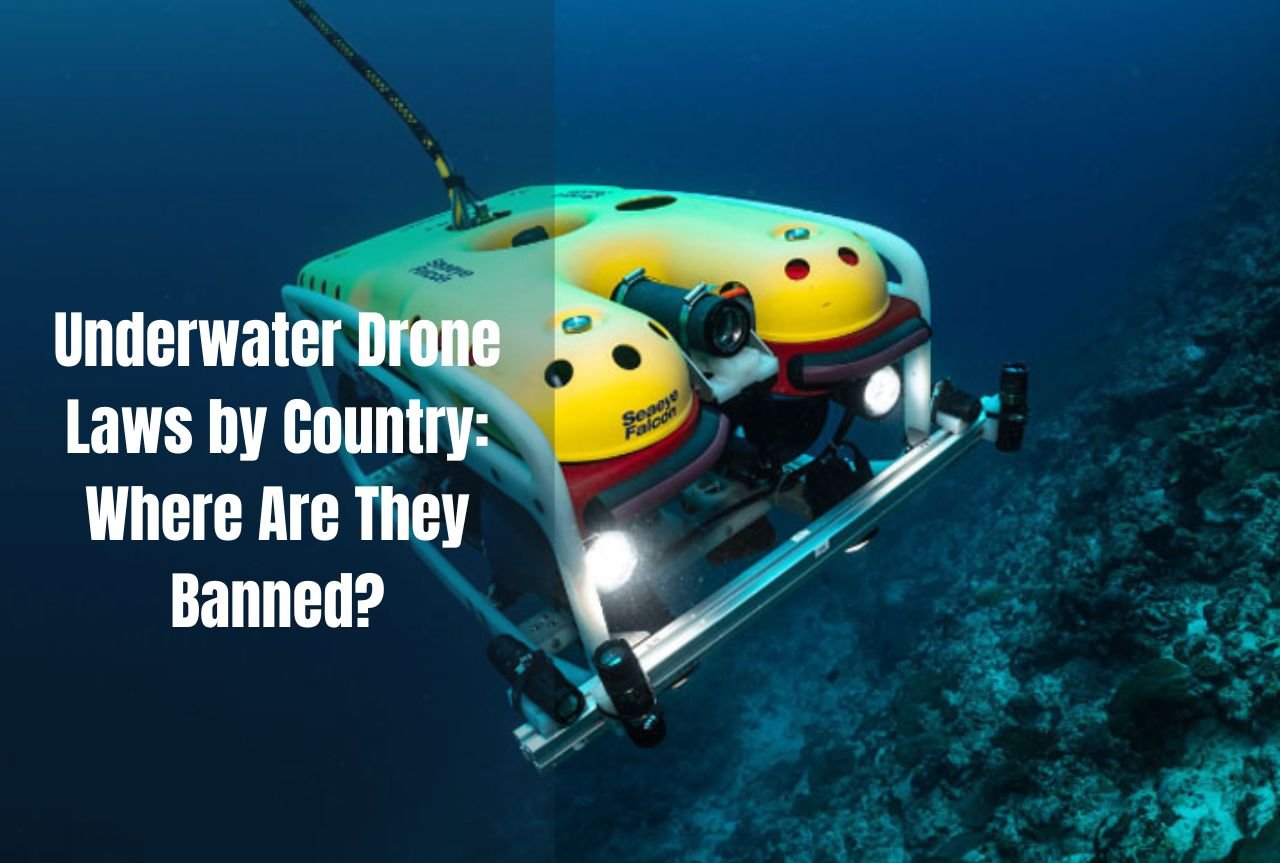
Underwater drones, or ROVs, are unmanned submersible vehicles controlled remotely from the surface. Unlike their aerial counterparts, underwater drones operate in a completely different environment with unique challenges and considerations.
They’re used for various purposes, including marine research, underwater inspection, search and recovery operations, and increasingly, recreational exploration.
International Maritime Laws and Underwater Drones
Territorial Waters and Legal Frameworks
The legal status of underwater drones in international waters is primarily governed by the United Nations Convention on the Law of the Sea (UNCLOS), which defines coastal state jurisdiction. However, the specific application of these laws to unmanned underwater vehicles remains somewhat ambiguous.
When operating in international waters near a nation, underwater drones may inadvertently enter territorial waters, which extend 12 nautical miles from the coastline. In such cases, they become subject to that nation’s laws and regulations.
The legal classification of underwater drones presents challenges. Some countries consider them “vessels,” while others categorize them as “equipment” or even potential “weapons”.
Regional Regulations for Underwater Drones
North America
United States
In the U.S., underwater drones are regulated differently from aerial drones. While the Federal Aviation Administration (FAA) oversees aerial drones, underwater drones fall under maritime regulations enforced by the U.S. Coast Guard and, in some cases, the Navy for security-sensitive areas.
Commercial underwater drone operations in U.S. waters typically require permits, especially when operating near critical infrastructure, military installations, or in protected marine sanctuaries.
Canada
Canada has implemented regulations similar to those in the U.S., requiring permits for commercial underwater drone operations, particularly near sensitive areas or protected marine environments.
European Union
The European Union has been working toward establishing a unified framework for underwater drone regulations. In June 2024, the EU and Indonesia convened at the International Experts’ Meeting on the Regulatory Framework for Unmanned Underwater Vehicles to address the need for comprehensive regulations.
The European Union Aviation Safety Agency (EASA) primarily focuses on aerial drones, but similar principles are beginning to be applied to underwater drones, particularly concerning safety and security.
Asia-Pacific
China
China has strict regulations regarding underwater drones, particularly those operated by foreign entities in its territorial waters. The infamous 2016 incident where China seized a U.S. underwater drone in the South China Sea highlighted the tensions and legal gray areas surrounding their use.
Japan
Japan regulates underwater drones through its Ministry of Land, Infrastructure, Transport, and Tourism (MLIT). Operations require notification to authorities, especially for commercial purposes.
Australia
Australia requires registration and permits for underwater drone operations, particularly in protected marine areas like the Great Barrier Reef. The Civil Aviation Safety Authority (CASA) oversees regulations for both aerial and underwater drones.
Countries with Strict Restrictions or Bans
Several countries have implemented strict regulations or outright bans on underwater drones, particularly for foreign operators:
Middle East
United Arab Emirates
The UAE has implemented strict regulations on all types of drones, including underwater vehicles. Foreign operators face significant restrictions, and in many cases, only citizens can apply for permits.
Saudi Arabia
Saudi Arabia prohibits foreigners from operating underwater drones in their territorial waters. Only Saudi citizens can apply for the necessary permits.
Asia
North Korea
North Korea has banned all recreational drone use, including underwater drones, even for its citizens.
Iran
Iran strictly controls underwater drone operations, especially given the tensions in the Persian Gulf. Foreign-operated underwater drones are effectively banned in Iranian waters.
Military vs. Civilian Underwater Drones
The legal distinction between military and civilian underwater drones creates additional complexity. Military underwater drones often operate under different legal frameworks and are subject to international laws governing weapons systems and military operations.
Countries like Russia have opposed including drones in governance discussions at the United Nations, while China has argued that civilian drones should be excluded from certain international regulations.
Commercial vs. Recreational Use
Regulations often distinguish between commercial and recreational use of underwater drones:
Commercial Use
Commercial underwater drone operations typically face stricter regulations and permit requirements across most countries. These operations include:
- Marine inspection and surveying.
- Underwater photography for commercial purposes.
- Scientific research.
- Oil and gas industry applications.
- Underwater infrastructure inspection.
Recreational Use
Recreational underwater drone use is generally less regulated but still subject to restrictions in many countries. Ten countries considered “drone-friendly” for recreational use include the Philippines, Malaysia, South Korea, and China.
Recent Regulatory Developments
The regulatory landscape for underwater drones continues to evolve:
- As of 2024, more countries are developing specific frameworks for underwater drone operations, moving beyond simply adapting aerial drone regulations.
- The use of underwater drones for illicit activities has prompted increased regulatory attention, as mentioned in Spain’s National Maritime Security Strategy 2024.
- Maritime security concerns have led to stricter regulations in areas like the Arabian Gulf and the Red Sea, where drone boats have been used in attacks.
Operational Restrictions
Even in countries where underwater drones are permitted, operators typically face restrictions such as:
- Prohibition from operating near military installations.
- Restrictions in busy shipping lanes.
- Bans in protected marine sanctuaries.
- Requirements to maintain visual contact with the drone.
- Depth limitations.
- Registration and identification requirements.
Best Practices for Underwater Drone Operators
To navigate the complex legal landscape, underwater drone operators should:
- Research Local Regulations: Always investigate the specific regulations of the country where you plan to operate.
- Obtain Necessary Permits: Apply for all required permits well in advance of planned operations.
- Register Your Equipment: Many countries require registration of underwater drones.
- Respect Protected Areas: Avoid operating in marine protected areas without specific authorization.
- Maintain Documentation: Keep all permits, registrations, and authorizations readily available during operations.
- Notify Local Authorities: When operating in foreign waters, inform local maritime authorities of your activities.
The Future of Underwater Drone Regulations
As underwater drone technology continues to advance and become more accessible, regulations are likely to evolve in several ways:
- Greater Standardization: International bodies may work toward creating more standardized regulations across jurisdictions.
- Technology-Based Regulations: Future regulations may incorporate technical solutions such as geofencing or remote identification systems.
- Risk-Based Frameworks: Similar to aerial drone regulations, underwater drone rules may evolve toward risk-based frameworks that adjust requirements based on the potential risks of specific operations.
- Increased Focus on Privacy and Security: As underwater drones become more capable, regulations may place greater emphasis on privacy and security concerns.
Summary
The regulatory landscape for underwater drones varies significantly across countries, creating challenges for operators who must navigate different legal frameworks. From outright bans in countries like North Korea to more permissive approaches in nations like the Philippines, understanding local regulations is essential for lawful operation.
As underwater drone technology continues to evolve and become more widespread, we can expect regulations to develop accordingly, balancing innovation with security, privacy, and environmental concerns.
Operators should stay informed about changing regulations and maintain open communication with relevant authorities to ensure compliance with local laws.